If you have ever looked at a blood pressure reading and wondered whether it is “normal for your age,” you are not alone. It is one of the most searched health questions online, and the answer surprises many people: the healthy target for adults does not rise with age. What changes is how common high readings become, and why. This guide explains normal blood pressure by age, what the two numbers mean, how to measure accurately at home and what actually brings high numbers down.
Key takeaways
- A normal adult blood pressure is below 120/80 mmHg, whether you are 25 or 75.
- Blood pressure tends to rise with age because arteries stiffen, but “common” is not the same as “healthy.”
- High blood pressure usually causes no symptoms, so regular checks are the only way to know.
- Lifestyle changes such as less salt, more potassium-rich food, regular exercise and weight loss can lower readings meaningfully.
What do the two blood pressure numbers mean?
A reading such as 128/82 mmHg has two parts:
- Systolic (top number): the pressure in your arteries when your heart beats and pushes blood out.
- Diastolic (bottom number): the pressure in your arteries when your heart rests between beats.
Both matter. In people over 50, the systolic number is usually the stronger predictor of heart attack and stroke risk, which is why doctors pay close attention to it as you age.
Blood pressure chart: official adult categories
The American Heart Association and American College of Cardiology use the categories below for all adults aged 18 and over.
| Category | Systolic (top) | Diastolic (bottom) | |
|---|---|---|---|
| Normal | Less than 120 | and | Less than 80 |
| Elevated | 120–129 | and | Less than 80 |
| High blood pressure, stage 1 | 130–139 | or | 80–89 |
| High blood pressure, stage 2 | 140 or higher | or | 90 or higher |
| Severe (seek care) | Higher than 180 | and/or | Higher than 120 |
If your two numbers fall into different categories, the higher category applies. For example, 126/84 counts as stage 1 high blood pressure because of the diastolic number.
Normal blood pressure by age group
Adults in their 20s and 30s
Most young adults have readings in the normal range. High blood pressure at this age is less common but not rare, and it is often linked to excess weight, high salt intake, heavy drinking, sleep apnea or a family history. Catching it early matters, because years of raised pressure quietly damage blood vessels.
Adults in their 40s and 50s
Readings tend to creep upward in midlife. Weight gain, less activity, stress and changes in hormones (including menopause) all play a part. This is the age range where many people first move from “normal” to “elevated” or stage 1, often without noticing anything.
Adults 60 and older
Large arteries naturally become stiffer with age, which pushes the systolic number up while the diastolic number may stay the same or even fall. This pattern is called isolated systolic hypertension. It is very common after 60, but it still raises stroke and heart risk and is worth treating. Your doctor may also check for dizziness when standing (orthostatic hypotension), because too-low pressure can cause falls in older adults.
Children and teenagers
Children are different. Their normal range depends on age, sex and height, so pediatricians use percentile charts rather than a single cut-off. From age 13, the adult categories are generally used.
Why does blood pressure go up with age?
- Arterial stiffness: elastic fibres in artery walls wear down over decades.
- Salt sensitivity: the body becomes more sensitive to sodium as kidneys age.
- Weight and inactivity: both tend to increase with age and both raise pressure.
- Other conditions: diabetes, kidney disease and sleep apnea all push readings up.
Because many of these drivers are modifiable, a rising number is a signal to act, not something to accept as inevitable.
How to measure blood pressure correctly at home
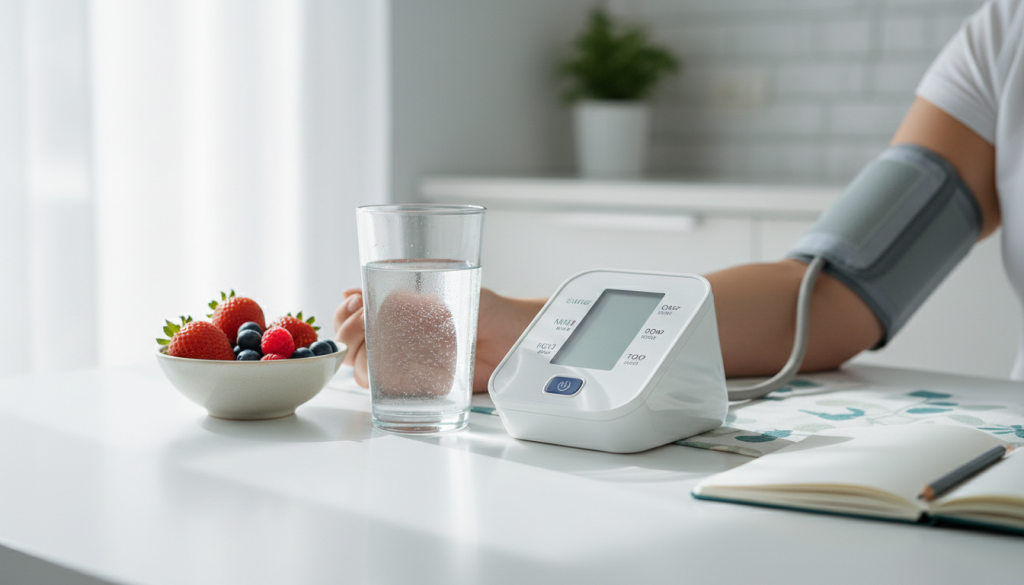
Home readings are very useful, but small mistakes can add 5–10 points. Follow these steps:
- Use a validated upper-arm cuff in the right size for your arm.
- Avoid caffeine, exercise and smoking for 30 minutes beforehand, and empty your bladder.
- Sit quietly for 5 minutes with your back supported and feet flat on the floor.
- Rest your arm on a table so the cuff is at heart level, on bare skin.
- Do not talk during the reading.
- Take two readings one minute apart, morning and evening, and record the average.
Bring your log to appointments. A week of home readings tells your doctor far more than a single reading in a clinic, where “white coat” nerves can push numbers up.
Proven ways to lower high blood pressure
- Follow a DASH-style diet: plenty of vegetables, fruit, beans, whole grains and low-fat dairy. In studies it lowered systolic pressure by around 8–11 points in people with hypertension.
- Cut sodium: aim for under 2,300 mg a day, and ideally closer to 1,500 mg. Most salt comes from bread, processed meats, sauces and restaurant food.
- Eat more potassium: bananas, potatoes, beans, leafy greens and yogurt help balance sodium (check with your doctor first if you have kidney disease).
- Move most days: 150 minutes a week of brisk activity such as walking can lower systolic pressure by about 5–8 points.
- Lose excess weight: blood pressure falls roughly 1 point for every kilogram lost.
- Limit alcohol and stop smoking.
- Sleep well: short sleep and untreated sleep apnea both raise pressure. See our guide on how to fall asleep faster.
If lifestyle changes are not enough, medication is safe and highly effective. Many people need both.
When to see a doctor urgently
A reading above 180/120 needs prompt attention. If it comes with chest pain, shortness of breath, back pain, numbness or weakness, vision changes or difficulty speaking, call emergency services immediately.
Frequently asked questions
Is 130/80 normal for a 60-year-old?
By current guidelines, 130/80 is stage 1 high blood pressure at any adult age. It is common at 60, but it is above the healthy target. Your doctor will weigh it against your overall heart risk.
What is a dangerously low blood pressure?
There is no single cut-off, but readings below about 90/60 are considered low. Low pressure is only a concern if it causes symptoms such as dizziness, fainting or blurred vision.
Is blood pressure higher in the morning?
Yes. Blood pressure naturally rises in the early morning and dips during sleep. That is why taking readings at the same times each day gives the most useful comparison.
Can high blood pressure be reversed?
For many people with elevated or stage 1 readings, lifestyle changes can bring numbers back into the normal range. Long-standing hypertension usually needs ongoing management, but it can be well controlled.
Medical disclaimer: This article is for general education only and is not a substitute for personal medical advice, diagnosis or treatment. Always talk to your doctor about your own blood pressure readings and before changing any medication.