Gluten Intolerance vs Celiac Disease: Symptoms, Testing and Differences
Celiac disease, gluten sensitivity and wheat allergy are different conditions. Learn the symptoms of each, how celiac disease is tested and why you shouldn't cut gluten first.
Plain-language nutrient monographs, bioavailability & clinical dosing breakdowns, and transparent supplement evaluations grounded in published human trials.
Transparent, criteria-driven evaluations of health supplements, wellness devices, and recovery tools.
Cardiometabolic health education covering blood pressure, lipid panels, insulin sensitivity, and glycemic balance.
Objective analysis of vitamins, minerals, botanical extracts, bioavailability, and clinical dosing.
Gut microbiome research, dietary fiber, digestive motility, and evidence-based gastrointestinal comfort.
Evidence-informed guides on preventive care, everyday symptoms, diagnostic literacy, and healthy aging.
Clinical nutrition fundamentals, whole-food dietary patterns, micronutrients, and practical meal guidance.
Sustainable body composition science, satiety physiology, metabolic adaptation, and realistic weight guidance.
Circadian rhythm hygiene, restorative sleep architecture, cognitive resilience, and stress regulation.
Celiac disease, gluten sensitivity and wheat allergy are different conditions. Learn the symptoms of each, how celiac disease is tested and why you shouldn't cut gluten first.
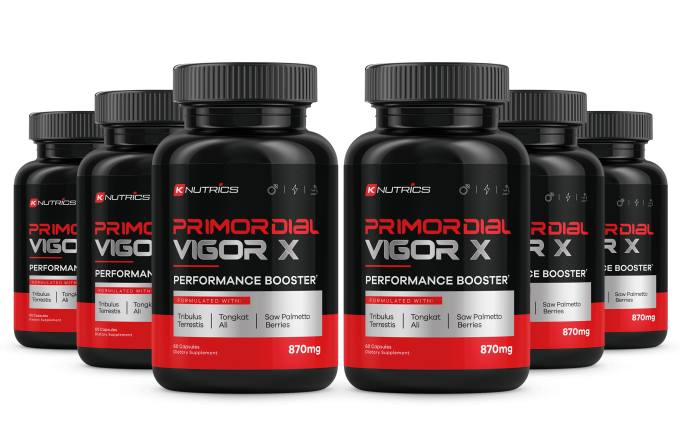
An honest Primordial Vigor X review: what it is, ingredients, price, guarantee and safety before you buy.
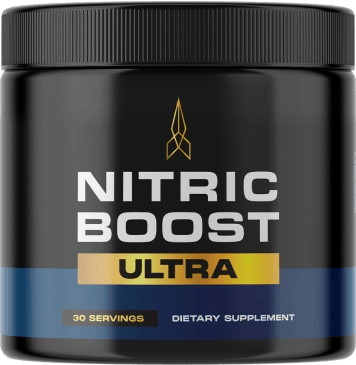
An honest Nitric Boost Ultra review: what it is, ingredients, price, guarantee and safety before you buy.
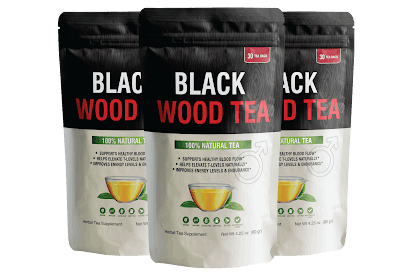
An honest Black Wood Tea review: what it is, ingredients, price, guarantee and safety before you buy.
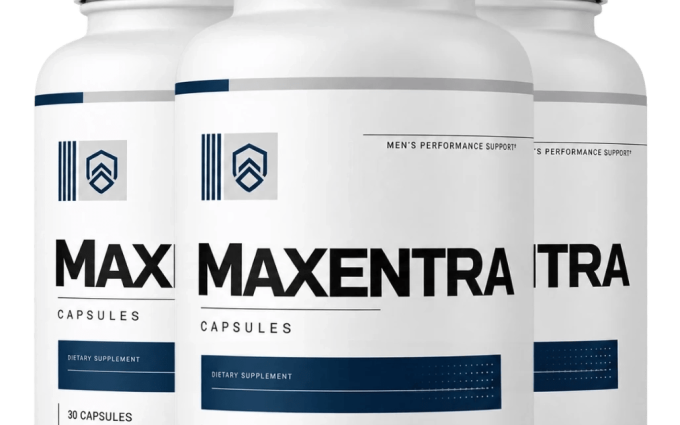
An honest Maxentra review: what it is, ingredients, price, guarantee and safety before you buy.
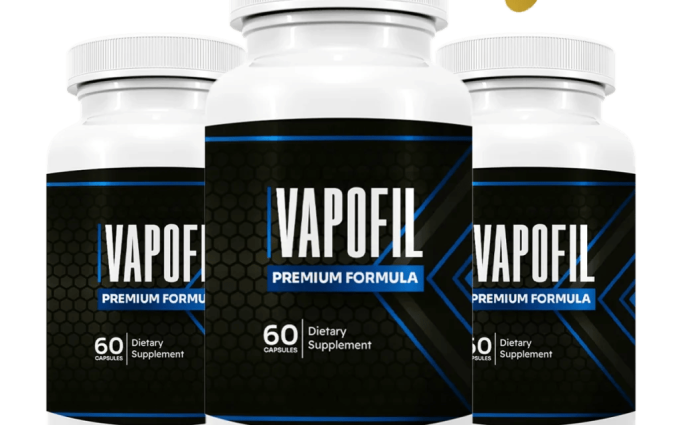
An honest VapoFil review: what it is, ingredients, price, guarantee and safety before you buy.
An honest Vigor Boost review: what it is, ingredients, price, guarantee and safety before you buy.
Stress affects sleep, mood and long-term health. Learn the signs of chronic stress and 10 practical, research-backed ways to reduce it, plus when to get help.
Understand your cholesterol test: healthy ranges for total cholesterol, LDL, HDL and triglycerides in adults and children, in mg/dL and mmol/L, and how to improve them.
What are normal blood sugar levels? See fasting, after-meal and A1C ranges for normal, prediabetes and diabetes, in mg/dL and mmol/L, plus when to get tested.
Learn the early and severe signs of dehydration in adults, children and older people, how much water you really need each day, the best hydrating foods and when dehydration is an emergency.
Learn the signs and symptoms of vitamin D deficiency, who is most at risk, the blood test levels doctors use, the best food sources and how much vitamin D adults need each day.
Is 10,000 steps a day necessary? Learn how many steps you really need for weight loss and health, how many calories walking burns, and a simple 8-week plan to walk your way fitter.
Struggling to fall asleep? These 12 science-backed tips, from breathing techniques and the 20-minute rule to light, caffeine timing and bedroom temperature, help you fall asleep faster and sleep better.
Feeling bloated? Learn the most common causes of bloating, fast natural ways to relieve it, foods that trigger gas, long-term prevention tips and the warning signs that mean you should see a doctor.
Want to lose belly fat? Learn why visceral fat matters, why crunches alone won't shrink your waist, and the evidence-based diet, exercise, sleep and stress habits that actually reduce belly fat.
Every nutrient monograph cites peer-reviewed human trials, NIH fact sheets, and systematic reviews rather than anecdotal claims.
We scrutinize supplement labels for exact milligram disclosures, chelated bioavailability, and third-party purity testing.
Educational health guides stay 100% free of product promotions, while dedicated supplement reviews carry clear disclosures.
Monographs and formulation evaluations are audited regularly as new clinical trials, safety advisories, or formula changes emerge.